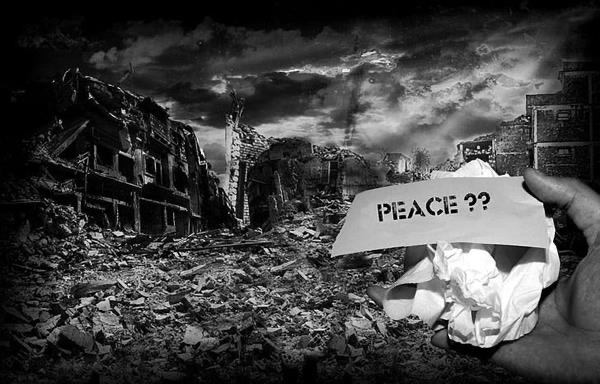
Wind howls inside the scorched remains of a suburban neighborhood, one of countless like it across the United States. Its inhabitants flash-fried as carbon shadows onto the walls and asphalt, burned so quickly that their nervous systems did not have the chance to even register they were on fire. Through it all, a smart home’s AI systems continue playing advertisements for long forgotten products, alarms continue to blare to indicate it’s time to get up to go to a workplace and school that no longer exist, and a robot vacuum cleaner attempts its best to combat an endless pile of dust in a collapsing home.
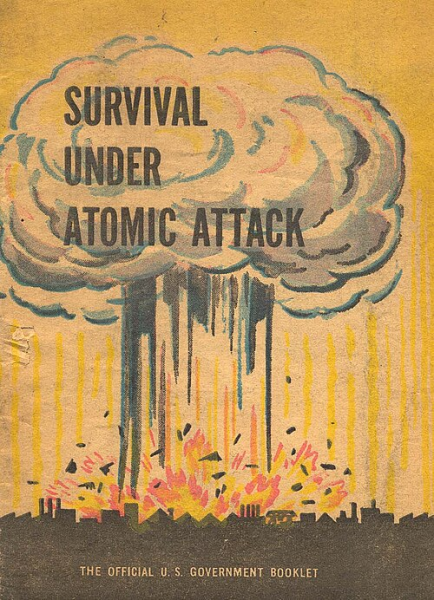
The date? Aug. 6, 2026.
Thankfully, such a miserable end to mankind has not come to pass. This scenario has been relegated to the pages of speculative warnings and post-apocalyptic novels. “There Will Come Soft Rains,” is a haunting classic, science fiction short story written by the famed sci-fi author Ray Bradbury. The story details a desolate scene set in a fictional 2026 that, in some ways, has already become a scientific reality in the real 2026. Published in 1950 in the throes of the Cold War with an ever-present fear of nuclear annihilation, Ray Bradbury’s story tells the story of an automated home, not too unlike the modern-day smart home. Set in the then far-off date of Aug. 6, 2026–the eighty-first anniversary of the atomic bombing of Hiroshima–the story follows a smart home’s artificial intelligence manager, and its procedural breakdown. The smart home attempts to follow its programming, incapable of fathoming the nature of global nuclear war and that its residents had been reduced to ash long prior.
The short story derives its title from the eponymous poem of the same name, by poet Sara Teasdale. When Teasdale first wrote her poem in 1918, the world was consumed in the fires of the First World War. Millions already lay dead in Europe alone. The First World War was the so-called “war to end all wars.” The Spanish Flu had claimed even more lives, exacerbating the grim death toll. In her poem, Teasdale muses over what would happen, if humanity should destroy itself, and how Earth and all the creatures therein would react. Even if humanity were to wipe itself off the face of Earth, nature would heal its scars eventually. Birds would nest in battlegrounds, grass would eventually sprout in the remains of scorched Earth, and soft rains would wash away the ashes to allow life to grow once more. When Teasdale wrote her anti-war poem, humanity did not have the capacity to follow through in its omnicidal tendencies to completion. In less than three decades, however, a war far more destructive than the First World War would reach every corner of the globe, punctuated by an ending in nuclear fire. Mankind now had the ability to wipe itself from the face of Earth.
Bradbury’s story has lingered as a poignant warning for mankind’s capacity for technological innovation and self-destruction. Many of the fantastical technologies detailed in “There Will Come Soft Rains” seemed to be a fantasy at the time. However, in the real year of 2026, many of these technologies have come to fruition. Smart homes, smart security systems, and more show just how far mankind has progressed. While some of the robotics detailed in the story still seem a bit too far away, automated smart refrigerators that keep track of their contents, robotic vacuum cleaners, and digital storytellers to send one’s children to sleep have been reality for quite some time. One can imagine what life must have been like before the bombs fell quite easily by merely taking a glance at our own present world. At no point in the story are the political concerns or whatever conflict led to nuclear annihilation brought up. Only the effects of the bombs are mentioned. Politics suddenly seemed less important compared to atomic fire.
Today, the Red Scare and immediate fears of imminent nuclear war have been replaced by fears over global warming, increased geopolitical tensions, and less-imminent nuclear war. “There Will Come Soft Rains” serves as a reminder that if peace fails and diplomacy falls apart, our ashes will be swept away by soft rains.
___
For more information or news tips, or if you see an error in this story or have any compliments or concerns, contact [email protected]